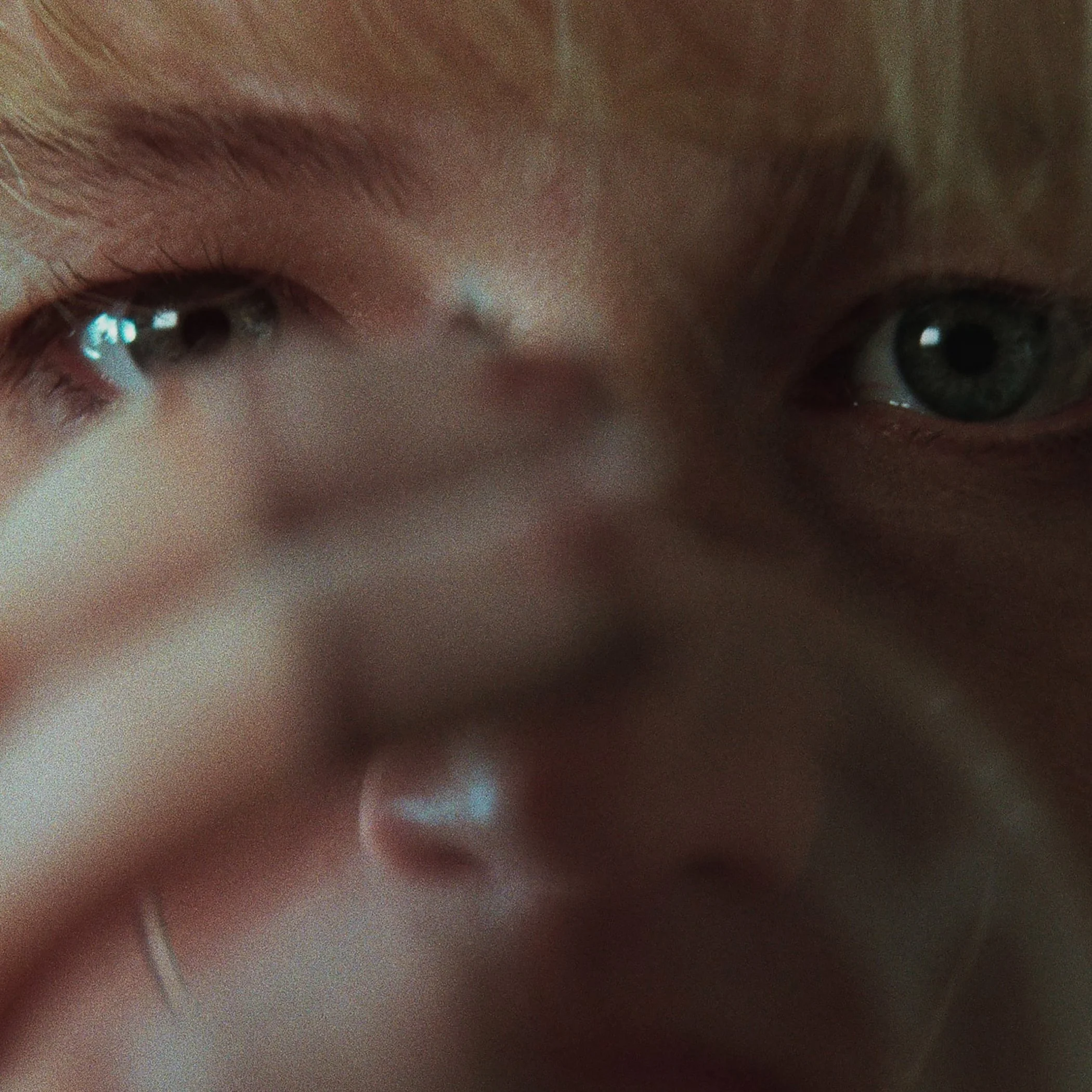
I raise my gaze from my book (Mary Shelley’s Frankenstein, that is, an unusual foray into Gothic literature prompted by my recent encounter with Guillermo del Toro’s arguable adaptation) and I see prams. In fact, I see many of them, one even blocking the way out—and young mothers, or carers of every age and creed. I suddenly hear babies whimpering, gurgling, cooing, or quietly watching the commercial concoction of ads and trailers. Surely, they are getting ready to take notes and form silent, sophisticated opinions. I can’t tell whether this is real or perhaps a jest of my imagination, yet it fits, and it prepares me to experience Lynne Ramsay’s latest through an unexpected fifth dimension.
By the end of it, there are more prams than babies in the room—where have they gone? And why aren’t the adults crying? Die My Love reaches far beyond the subjects it tackles and whatever symbolism lies behind the most ambitious suicide since James Incandenza killed himself by placing his head in a microwave oven—it digs unflinchingly into the subtle connections between the unbearable surface and the pernicious underneath. It chases the now, not the past or the future—and the fear of losing what defines us, leaving us exposed like a fresh wound.
It really escapes me why so many among this year’s Cannes adventurers despised it. Sharing Darren Aronofsky’s same sadistic sentiments towards poor Jennifer Lawrence, Lynne Ramsay doesn’t necessarily delve into anything novel, but her take is too unique not to captivate from frame one—and ultimately convince in all respects. Die My Love is a jagged little gem that feels perfectly shaped on both technical and artistic levels. Seamus McGarvey’s beautiful analog photography seamlessly weaves quasi-documentary realism with stylised echoes of Andrew Wyeth’s paintings, framing within an oppressive 1.33:1 aspect ratio the fire-fuelled chemistry between Lawrence and Pattinson, whose feral performances remain the true driving force of the film. There is something ravenous about their characters, a kind of untamed lust for an inchoate absence that ultimately makes Ramsay’s intimate, psycho-expressionistic apocalypse transcend into a piercing portrayal of malaise, unease, and life as an adverse place to inhabit—all while offering a cinematic spectacle never banal and often arresting.